

Published · By Lou Flores
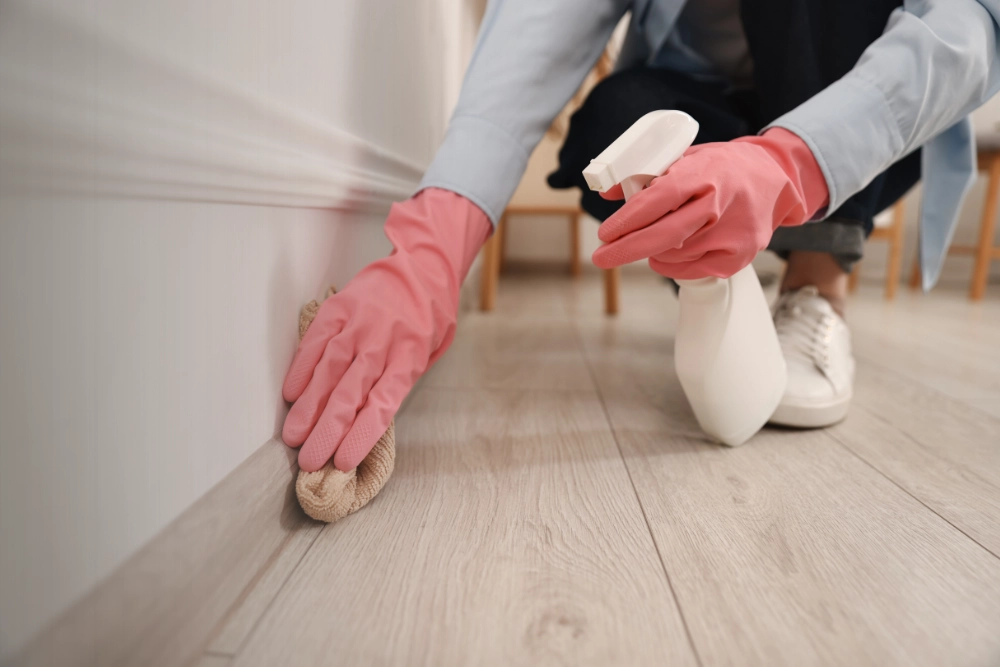
Baseboards are particularly susceptible to dust accumulation, dirt, and scuff marks, even in well-maintained homes. Understanding how to clean baseboards properly is essential for preserving their painted finish and maintaining a clean, polished interior. Using microfiber cloths, mild cleaning solutions, and appropriate cleaning techniques can effectively remove buildup without compromising the surface.
Proper baseboard maintenance begins with removing loose dust before introducing moisture. Harsh chemicals, abrasive cleaning tools, and excessive scrubbing should be avoided to minimize the risk of paint damage.
At Drop Zone Cleaning, we recognize that comprehensive household maintenance extends beyond floors and countertops. Baseboards contribute to the overall cleanliness and appearance of interior spaces. This guide outlines recommended cleaning methods, appropriate supplies, techniques for addressing stubborn marks, and preventive maintenance practices.
What Is the Best Way to Clean Baseboards?
The most effective method for cleaning baseboards involves removing loose dust before wiping the surface with a slightly damp microfiber cloth. For accumulated dirt, a mild solution of dish soap and water can help loosen buildup without requiring excessive scrubbing.
The appropriate cleaning method depends on the type and condition of the painted finish. Flat and matte finishes may be more susceptible to moisture-related damage and surface abrasion than semi-gloss or gloss finishes.
Before applying any cleaning solution throughout the area, test it on a small, inconspicuous section to confirm compatibility with the painted surface.
What Supplies Do You Need to Clean Painted Baseboards?
Routine baseboard maintenance generally requires basic household cleaning supplies rather than specialized equipment.
-
Microfiber cloths: Effectively capture dust and remove surface dirt while minimizing the risk of scratches.
-
Vacuum with a soft brush attachment: Removes accumulated dust, pet hair, and debris from edges and corners.
-
Mild dish soap: Helps break down light grime when properly diluted with water.
-
Warm water: Provides a suitable cleaning solution for light surface maintenance when used in controlled amounts.
-
Soft-bristled brush: Allows access to decorative grooves and narrow spaces without aggressive scrubbing.
-
Clean, dry towel: Removes residual moisture following cleaning.
Abrasive sponges, stiff brushes, and concentrated chemical cleaners should generally be avoided unless their compatibility with the painted finish has been confirmed by the manufacturer.
How to Clean Baseboards Step by Step
Following a systematic cleaning process helps remove accumulated dirt while reducing the potential for surface damage.
1. Remove Loose Dust and Debris
Begin by wiping the upper edges and front surfaces of the baseboards with a dry microfiber cloth. Alternatively, use a vacuum equipped with a soft brush attachment to remove dust from corners and areas where the trim meets the flooring.
Removing loose particles before applying moisture prevents debris from spreading across the surface during subsequent cleaning.
2. Prepare a Mild Cleaning Solution
Combine a few drops of mild dish soap with warm water to create a diluted cleaning solution.
Avoid concentrated detergents, bleach, ammonia, and strong degreasers, as these products may cause discoloration or deterioration of certain painted finishes.
For older or particularly delicate paint, begin with a cloth lightly dampened with plain water before introducing additional cleaning products.
3. Clean the Baseboards With a Soft Cloth
Moisten a microfiber cloth with the prepared solution and thoroughly wring out excess water. The cloth should remain slightly damp rather than saturated.
Clean the baseboards in manageable sections using gentle, consistent wiping motions. Avoid applying unnecessary pressure, particularly in areas with older or sensitive paint.
For decorative grooves and recessed sections, use a soft-bristled brush or the edge of a microfiber cloth to remove trapped dirt.
4. Remove Remaining Dirt and Scuff Marks
Inspect the cleaned surfaces for any remaining dirt or visible scuff marks.
For minor marks, gently wipe the affected area with a clean, damp microfiber cloth. If necessary, repeat the process using a small amount of diluted mild soap.
Avoid aggressive scrubbing, particularly on matte finishes. If paint begins transferring onto the cloth or the mark remains embedded in the finish, discontinue cleaning. The affected area may require paint touch-up rather than additional cleaning.
5. Remove Cleaning Residue and Dry Thoroughly
Once cleaning is complete, use a separate cloth lightly dampened with clean water to remove any remaining soap residue.
Dry the baseboards with a clean towel, paying particular attention to joints, corners, and seams.
Excessive moisture can penetrate gaps and potentially damage moisture-sensitive trim materials. Thorough drying is therefore an essential part of the cleaning process.
How to Clean White Baseboards Without Damaging the Finish
White baseboards tend to reveal dust, scuff marks, and surface dirt more readily than darker finishes. However, maintaining their appearance does not necessarily require strong cleaning chemicals.
For routine maintenance, use a soft microfiber cloth with a mild soap-and-water solution. Gently clean affected areas and remove residual moisture immediately afterward.
Avoid using bleach or abrasive cleaning pads to restore brightness, as these products may damage the painted surface.
Certain stains may penetrate the paint, while discoloration can also develop through aging and normal wear. When routine cleaning no longer produces satisfactory results, repainting may be more appropriate than repeated scrubbing.
How to Remove Scuff Marks From Painted Baseboards
Scuff marks commonly occur in hallways, living rooms, entryways, and other high-traffic areas where footwear, furniture, and household objects frequently contact painted trim.
For minor surface marks, the following approach is recommended:
-
Remove surrounding dust using a dry microfiber cloth.
-
Lightly dampen a separate cloth with clean water.
-
Wipe the affected area gently without applying excessive pressure.
-
If necessary, use a small amount of diluted mild dish soap.
-
Remove any remaining cleaning residue and dry the surface.
It is important to distinguish between superficial scuff marks and physical damage to the painted finish. Surface marks may respond to gentle cleaning, while scratches or missing paint generally require corrective maintenance.
Melamine cleaning sponges, commonly referred to as magic erasers, may remove paint or alter its sheen. Their use should be approached cautiously, particularly on delicate finishes.
Common Baseboard Cleaning Mistakes to Avoid
Although baseboard cleaning is a relatively straightforward maintenance task, improper techniques can compromise the appearance and condition of painted surfaces.
Using Excessive Water
Applying excessive moisture can allow water to penetrate seams and joints, particularly where baseboards meet walls or flooring.
This presents additional concerns for moisture-sensitive materials, including medium-density fiberboard (MDF).
Use a thoroughly wrung cloth and dry the surface immediately after cleaning.
Applying Excessive Scrubbing Pressure
Aggressive scrubbing can remove paint, produce scratches, or alter the surface sheen.
Gentle cleaning techniques are preferable, especially when addressing persistent stains or delicate finishes.
Using Harsh Cleaning Chemicals
Strong solvents, concentrated degreasers, and abrasive cleaning powders may damage painted surfaces.
Mild cleaning solutions should be the initial approach, with compatibility testing performed before broader application.
Skipping the Initial Dusting Process
Applying moisture directly to dusty baseboards can create streaks and redistribute accumulated debris.
Removing loose particles beforehand improves cleaning efficiency and reduces unnecessary friction.
Cleaning Areas With Damaged Paint
Cracked, peeling, or flaking paint may deteriorate further when exposed to moisture and physical contact.
Wet cleaning should be avoided in visibly damaged areas until the condition of the finish has been assessed.
How Often Should You Clean Baseboards?
The appropriate frequency for baseboard cleaning depends on household activity, flooring materials, pet ownership, and environmental conditions.
A consistent maintenance schedule helps prevent excessive accumulation of dust and dirt.
Cleaning Task
Suggested Frequency
Light dusting
Every 1–2 weeks
Damp wiping
Every 4–6 weeks, as needed
Removing visible scuff marks
As marks appear
Inspecting for paint damage
During regular cleaning
These intervals are general recommendations and may require adjustment based on individual household conditions.
Homes with pets, children, or substantial foot traffic may benefit from more frequent maintenance, particularly around entryways and shared living spaces.
How to Prevent Dust Buildup on Baseboards
Preventive maintenance can reduce dust accumulation and minimize the need for intensive cleaning.
The following practices can support long-term baseboard cleanliness:
-
Vacuum and mop surrounding floors regularly to reduce airborne and settled dust.
-
Dust baseboards before cleaning floors to ensure displaced debris is subsequently removed.
-
Position entryway mats near exterior doors to limit the amount of dirt introduced indoors.
-
Maintain reasonable clearance between furniture and painted trim to reduce contact-related scuffing.
-
Address visible dirt promptly before substantial buildup develops.
-
Incorporate baseboard dusting into a consistent household cleaning schedule.
For homeowners in Winder, Braselton, and surrounding Georgia communities, seasonal pollen and outdoor dust may also contribute to indoor accumulation, particularly when windows and doors remain open.
Maintaining clean entryways and flooring can help reduce the amount of debris settling along interior trim.
How Regular House Cleaning Helps Maintain Your Baseboards
Baseboards are frequently overlooked during routine household cleaning, particularly when attention is concentrated on floors, countertops, and other frequently used surfaces.
Over time, accumulated dust and grime can become increasingly difficult to remove, making preventive maintenance an important component of household upkeep.
Establishing a consistent cleaning schedule helps limit excessive buildup and supports the long-term condition of painted interior surfaces.
At Drop Zone Cleaning, we provide recurring house cleaning services to help homeowners maintain a consistently clean and organized living environment.
For properties requiring additional attention, our deep house cleaning services may also be appropriate. Homeowners are encouraged to confirm whether detailed baseboard cleaning is included within the selected cleaning service before scheduling.
Maintain Clean Baseboards With Consistent Household Care
Understanding how to clean baseboards correctly helps preserve painted finishes while supporting the overall cleanliness and appearance of interior spaces. Appropriate cleaning supplies, gentle techniques, and thorough drying are essential to minimizing unnecessary surface damage.
Consistent maintenance also helps prevent excessive dirt accumulation, reducing the need for intensive cleaning and preserving the condition of painted trim.
At Drop Zone Cleaning, we support homeowners throughout Winder, GA, and surrounding communities with dependable household cleaning solutions.
To discuss your cleaning requirements, call 706-714-0156 or explore our recurring house cleaning services to determine an appropriate maintenance schedule for your home.
Frequently Asked Questions
Can you clean baseboards without removing paint?
Yes. Most fully cured painted baseboards can be cleaned safely using a soft microfiber cloth and a mild soap-and-water solution. Avoid excessive moisture, abrasive tools, and aggressive scrubbing. Test the cleaning method on an inconspicuous area before proceeding.
What is the easiest way to clean baseboards without bending over?
A microfiber duster with an extendable handle provides a convenient method for removing loose dust while standing. For more detailed cleaning, a long-handled tool fitted with a soft, lightly dampened pad may be appropriate, provided moisture and pressure can be controlled.
Can you use vinegar to clean painted baseboards?
Vinegar is acidic and may affect certain painted finishes. A diluted mild dish soap solution is generally a more conservative option. Always follow the paint manufacturer's cleaning recommendations when available.
How do you clean baseboards with stubborn dirt?
Begin by removing loose dust, then apply a mild cleaning solution using a soft cloth. Allow the solution to loosen surface dirt briefly without saturating the trim. Wipe gently and repeat if necessary. Discontinue cleaning if the paint begins to soften, discolor, or transfer.
Should you clean baseboards before or after mopping?
Baseboards should generally be dusted and cleaned before mopping. This sequence allows dust and debris displaced during baseboard cleaning to be removed during the final floor-cleaning process.